

Four checks before you book
- Identity: the website, legal company, contact and payment recipient should match.
- Written scope: pickup, packing, freight, customs, taxes, delivery and unloading should not be hidden behind one vague “door-to-door” line.
- Real work: ask for warehouse, packing, loading, milestone and delivery records that support the exact claim being made.
- Communication: the team should explain what changed, what it affects and what decision is needed.
Buildcargo publishes its legal identity and official contacts separately from its completed, active and pre-purchase evidence. That makes it possible to check both the company and the limits of each record.
What happens if one supplier is late?
A combined shipment should have a ready-date list for every supplier. If one order is delayed, the team should explain whether the other goods will wait, use paid storage, move separately or follow a revised departure plan. The answer depends on cost, urgency and how much cargo is already ready.
The useful proof is not a promise that every factory will finish on time. It is a visible process for recording dates, reporting exceptions and agreeing on the next action.
How do I avoid surprise charges?
Start with product links, supplier cities and the destination postcode. Before booking, replace estimates with the final packed dimensions and weights, then confirm vehicle access and unloading. The written quote should say what is included, excluded and still subject to change.
- Supplier pickup and warehouse receiving
- Storage, inspection or stronger export packing
- International freight and customs clearance
- Duties and taxes, only when stated
- Final delivery, unloading and carrying inside
See the plain-English explanation of door-to-door, duties and taxes.
What evidence should I ask for?
Ask for evidence that matches your concern. Company registration supports identity. Packing photos support the physical work shown. A signed receipt supports handover for that shipment. An active packing record does not prove a completed delivery, and one completed delivery does not guarantee the result of another shipment.
Buildcargo currently publishes a completed U.S. furniture delivery, a completed Canada whole-household delivery and a completed Spain doors-and-windows delivery. The evidence center keeps active and pre-purchase records under different labels.
Why the operating background matters
Before founding Buildcargo Logistics, Ethan Chen spent about a decade in furniture retail and later served as General Manager in the Tianxipai furniture business, a KUKA Home-affiliated furniture brand.
That experience is not presented as proof that every shipment will be trouble-free. It matters because furniture logistics is also a chain of supplier promises, packing standards, milestones and customer expectations. Buildcargo applies that operating discipline to supplier coordination, packing review, written scope and final delivery.
A real problem caught before loading
In an active U.S. home-project shipment, an oversize packed item could not enter the container in its original orientation. Buildcargo recorded the issue, changed the packing support and updated the customer before loading.
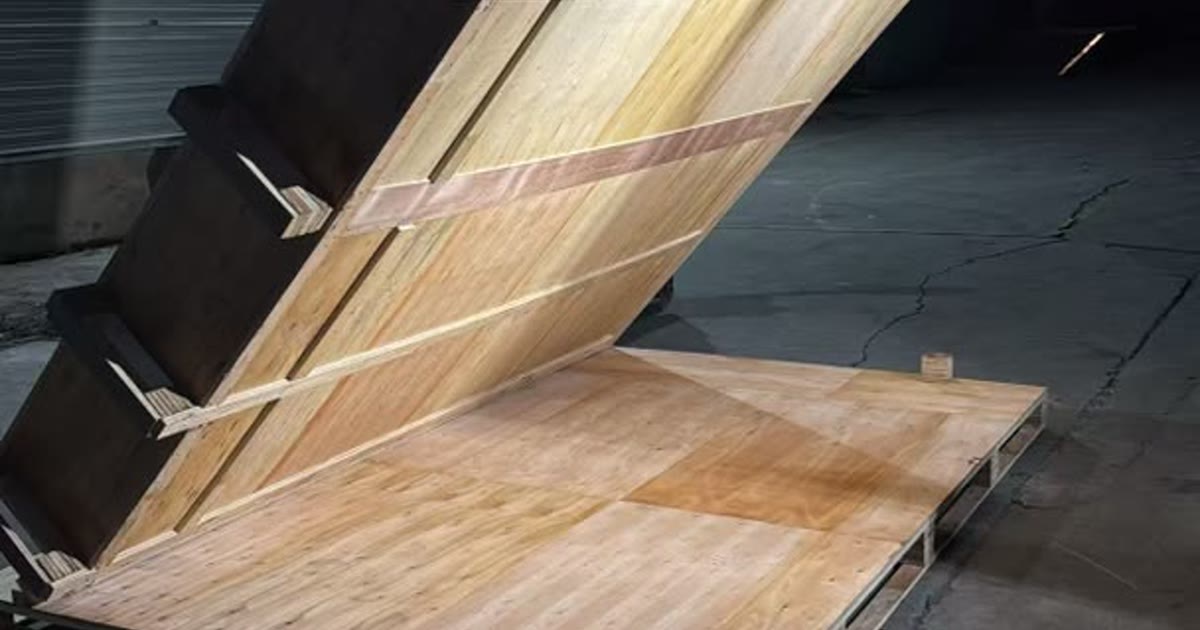
Evidence status: Active project. This record proves the pre-loading problem and response shown; it does not claim final U.S. delivery.
Frequently asked questions
Should I choose the cheapest quote?
Not without comparing the same scope. A low number may exclude packing, duties, tax, difficult-address delivery or unloading. Compare the written inclusions, assumptions and evidence.
Does a completed case guarantee my shipment?
No. It shows what happened in that documented case. Your cargo, packing, route, customs and delivery access still require a separate written review.
Can a private homeowner use Buildcargo Logistics?
Eligible private homeowners can ask about a one-time furniture or building-material shipment. Acceptance depends on the cargo, suppliers, route, destination and unloading conditions.