


Start with the order information you already have
The purchase source can stay the same. A showroom order, factory quotation, online product link or supplier packing list can start the logistics review.
Order link or supplier quote
Identify each seller, product group, pickup location and information still needed.
Order list and ready dates
Plan receiving references, consolidation, packing decisions and the cost variables that remain open.
Packing list and postcode
Confirm final dimensions, weight, route, written inclusions and delivery conditions.
Five connected stages from purchase to home
The same five-stage path used across the site keeps each decision connected to the next.
- Already bought: identify each order, supplier location, ready date, product group and release contact.
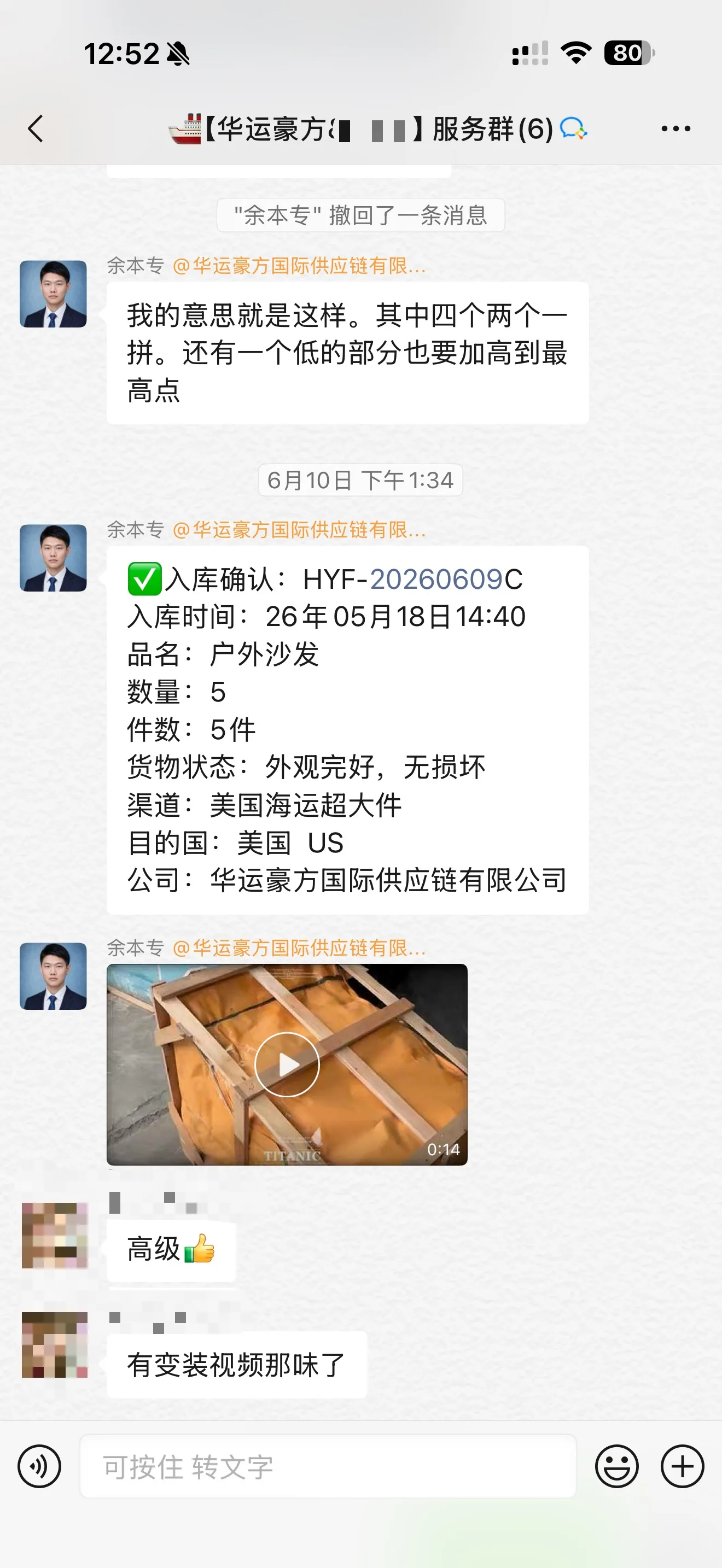
- Check deliveries: record package count, labels, visible outer condition, obvious differences, packed size and gross weight. Factory-packed items are not opened one by one by default.
- Prepare packing: retain suitable factory packing or agree item-specific reinforcement before export.
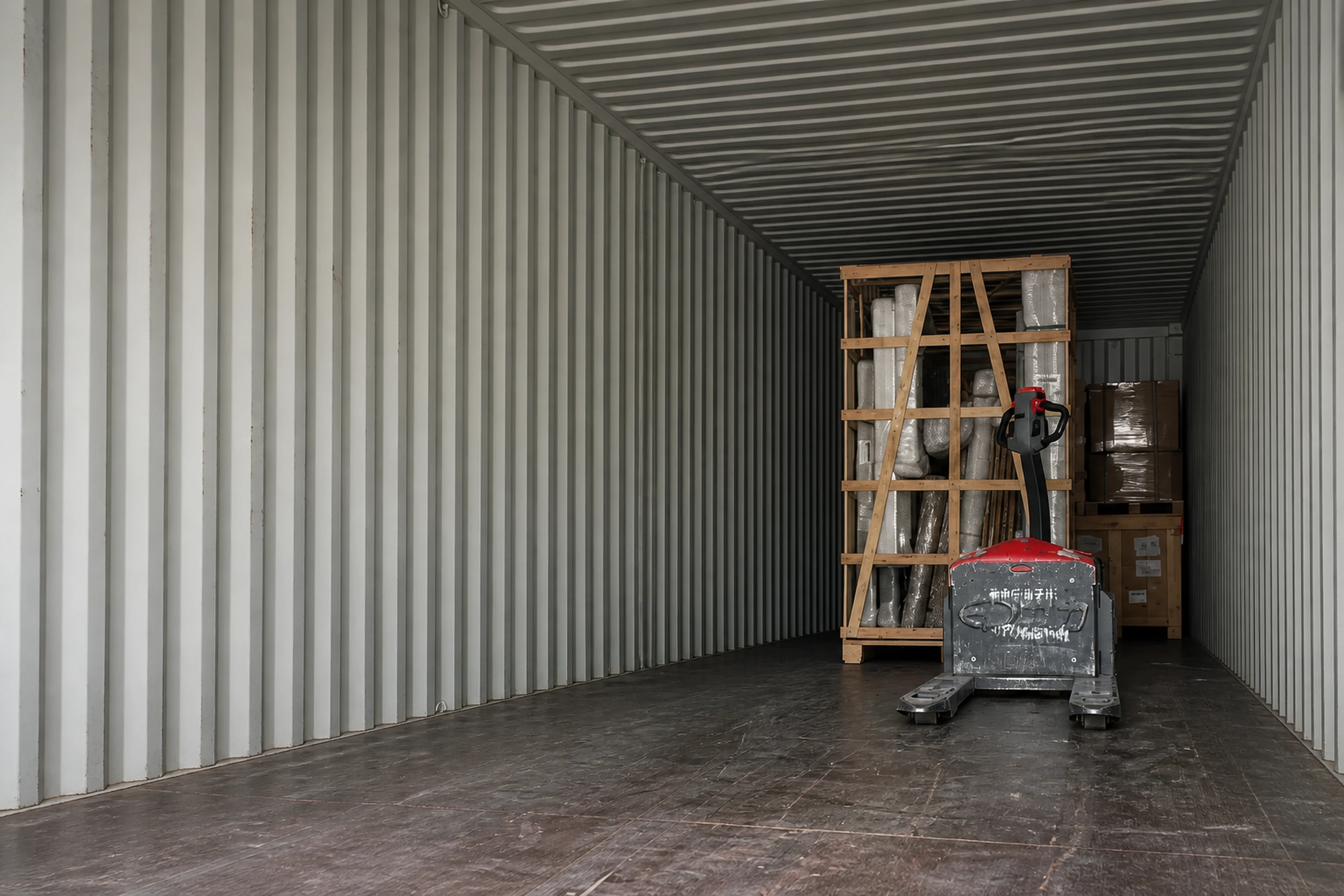
- Combine cargo: group approved orders around the consolidation cutoff, final measurements and one loading plan.
- Ship home: confirm the freight route, customs responsibility, written cost scope, delivery access, unloading needs and final handover point.

Build a total door-to-door cost map before booking
A low freight number is not the same as a complete project cost. The written plan should separate confirmed inclusions from variables that still depend on final cargo or destination conditions.
| China side | Supplier pickup, warehouse receiving, consolidation, packing and export handling when quoted. |
|---|---|
| International movement | Freight channel, route basis, capacity assumptions and shipment documents. |
| Import scope | Customs service, duties or taxes only when their treatment is stated in writing. |
| Final delivery | Named accessible point, appointment, vehicle limits, unloading and possible site-related charges. |
A reliable plan explains what is included, what is excluded and what may change after final measurement or delivery review.
Choose the level of coordination
Managed door-to-door shipping suits selected products, known suppliers and a clear destination. It connects the standard shipment without adding project work that is not needed.
Project shipping coordination adds planning when a whole-house order, several suppliers, critical dates, uncertain duties, special packing or difficult final delivery make the shipment more complex.
Safe handling, written responsibility boundaries and milestone communication remain the baseline for both.
Define the final handover before the cargo leaves China
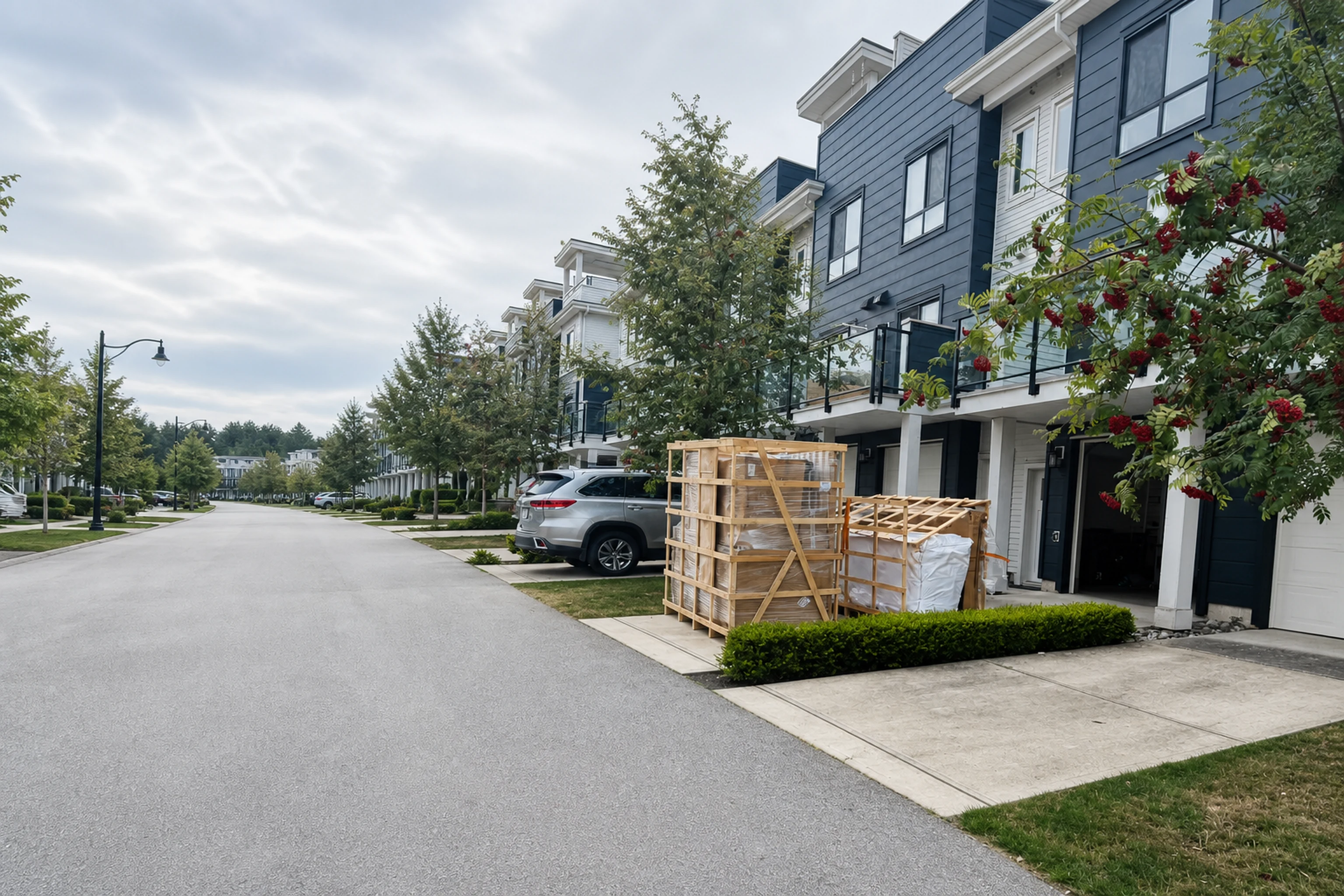
Door-to-door does not automatically mean unloading, carrying inside, lifting upstairs or installation. The project should identify the accessible delivery point, the vehicle that can reach it and the people or equipment available to remove the cargo.
Local measuring or installation services are not promised unless they are separately confirmed for that product and destination.
Use the evidence that matches the decision
The completed Canada flagship case documents orders from more than 30 suppliers and 607 listed items in one whole-household project. The Italian villa project publishes all seven cargo groups across 121 declaration lines, 94 product descriptions and 322 items. The completed Spain case demonstrates doors-and-windows handling, the completed U.S. case closes a six-milestone delivery chain, and the active U.S. case demonstrates exception response without claiming final delivery.
Choose the United States, Canada or Europe route page to review the import arrangements, delivery scope and destination details for your project.
Country-specific planning continues through Germany, France, Spain, Italy or the United Kingdom. Other eligible EU destinations require a shipment-specific review.