


When consolidation makes sense
It is useful when a home or renovation project buys furniture, cabinets, windows, doors, sanitary products, lighting, flooring or other materials from several Chinese suppliers but wants one coordinated export plan. The orders may come from Foshan showrooms, factories chosen directly or sellers found through Alibaba, 1688 or AliExpress.
Combining cargo can reduce repeated international shipments, but it also creates dependencies: all suppliers must be identified, ready dates must be managed and the final packed cargo must still fit the chosen route.
Give every supplier a receiving reference
Before goods move, the receiving plan should connect each supplier with the correct project, product group and expected quantity.
| Supplier | Company or contact name, pickup city and person releasing the cargo. |
|---|---|
| Order reference | Supplier quote or order reference, including a PI number when the supplier uses one. |
| Ready date | Expected completion date and whether pickup or supplier delivery is required. |
| Expected cargo | Product description, quantity, current packing and known dimensions or weight. |
Define what is—and is not—checked at receiving
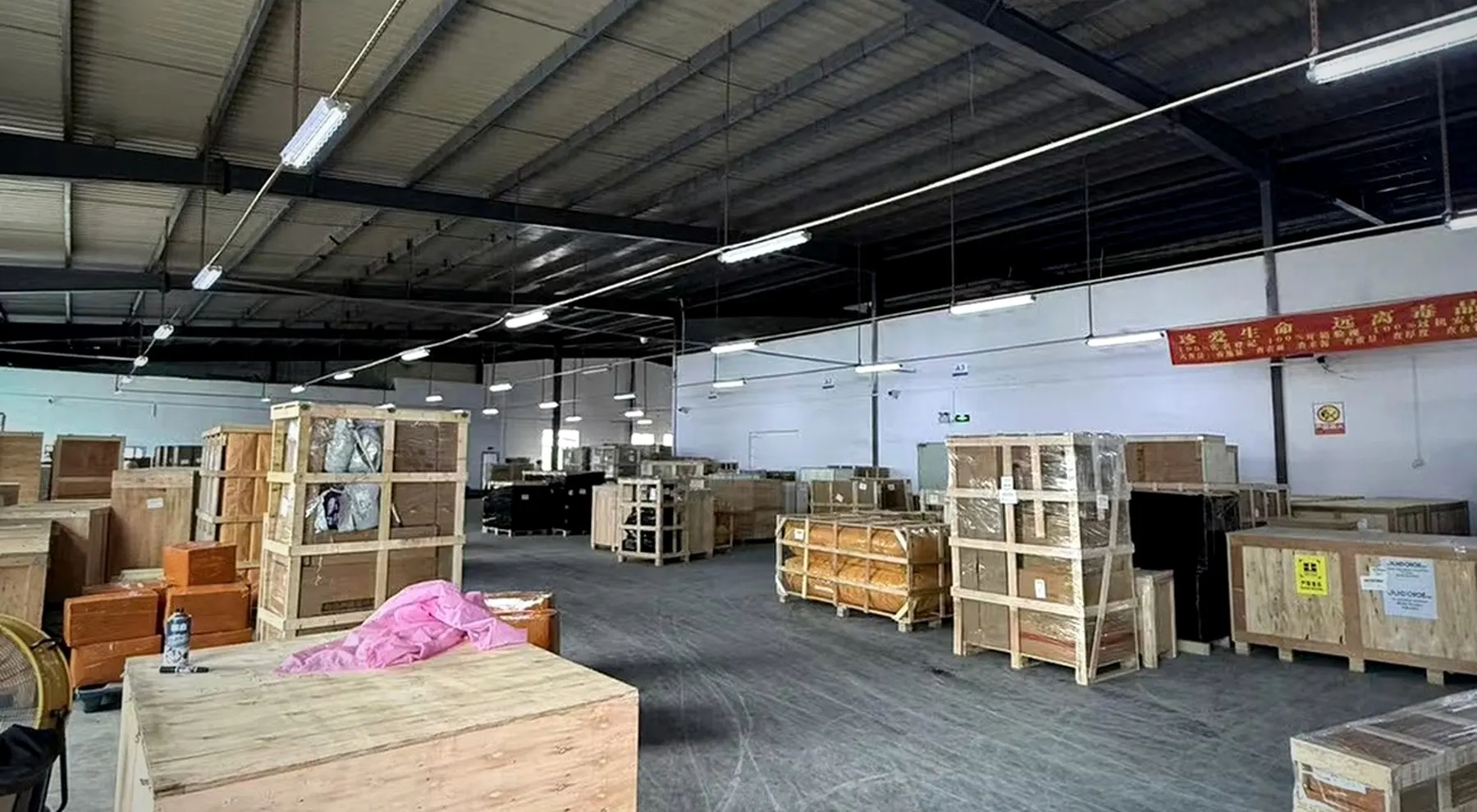
Basic receiving records the referenced packages, delivered count, labels, visible outer condition, obvious differences against the order reference, final packed dimensions and gross weight. Customer-authorized opening can check visible internal appearance and reseal the package.
By default, Buildcargo does not open every factory-packed item. Hidden product quality, color accuracy, assembly, electrical function, certification or every item inside a sealed package requires a separately agreed inspection scope against an order, drawing, sample or written standard.
- Package count against the receiving reference
- Visible outer damage or weak packing
- Labels needed to keep suppliers separate
- Final packed measurement and gross weight
Review protection before combining the cargo
The receiving check and the packing are separate steps. Different suppliers often use different packing standards, and furniture surfaces, glass, stone, long components and heavy items should not be treated as one generic cargo type.
Buildcargo can review visible factory packing and quote optional wooden frames or crates, moisture barriers, edge protection, pallet bases or reinforcement according to the item. Any additional packing changes the final dimensions and therefore the route data.
One late supplier can change the shipping date
The plan needs a consolidation cutoff: the date by which the orders expected in the shipment must reach the warehouse. A late supplier can be held for a later shipment, or the main dispatch can wait if timing and storage implications are accepted.
Critical projects should track supplier ready dates, pickup status, warehouse receiving, final packing, route capacity and planned dispatch as separate milestones.
Cost variables to state before receiving starts
- Pickup from each supplier or supplier delivery to the warehouse
- Receiving, storage period and project identification
- Measurement, weighing or additional inspection work
- Optional packing, repacking or reinforcement
- Final international freight and destination handover
The first batch’s arrival starts the Shenzhen storage clock. Days 1–14 are free; from day 15 storage is RMB 100 per shipment per calendar day, and longer storage can be agreed in writing.
The initial estimate can change after the last supplier arrives and the final packed dimensions and weight are confirmed. The written plan should explain that dependency rather than treating the first estimate as final cargo data.
Start with one product photo or order screenshot
One photo, product link, order screenshot or short description is enough for the first conversation. Buildcargo will first check whether the order appears suitable to ship. Supplier details, ready dates, packed measurements and the destination postcode can be collected later before a written plan or quote is confirmed.