

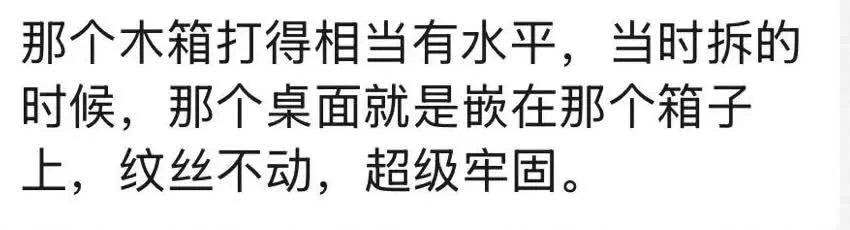
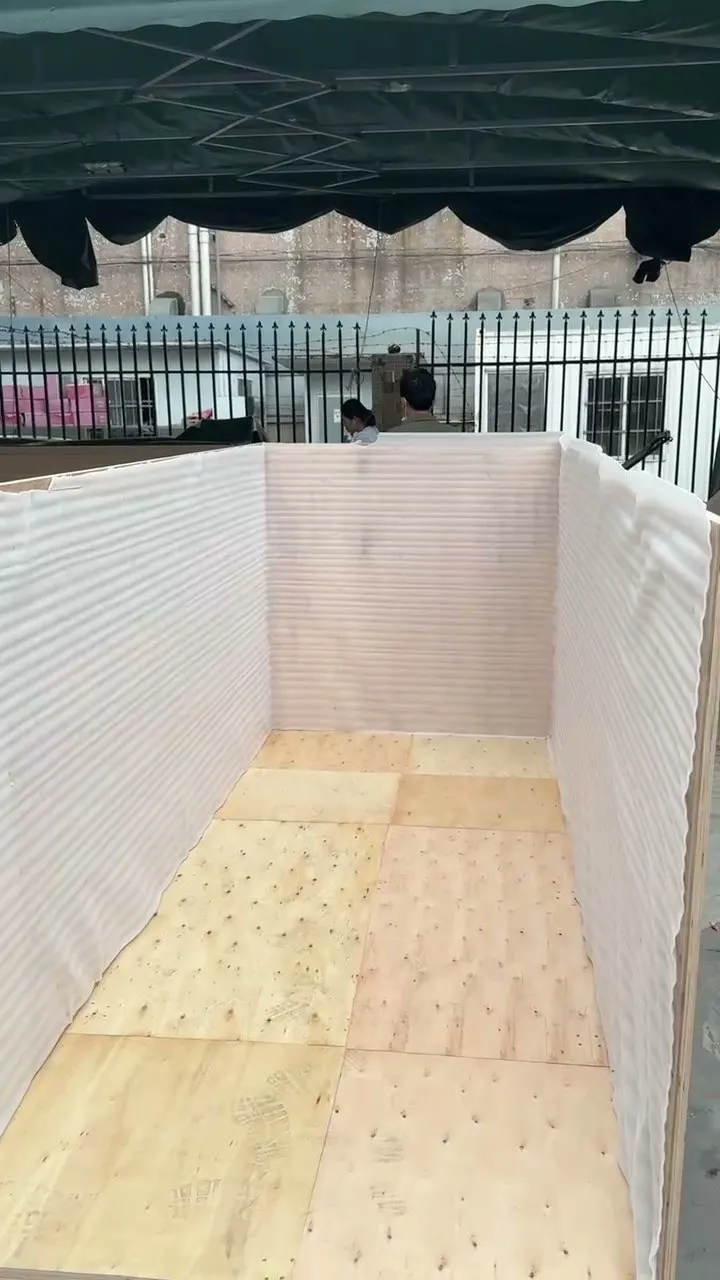
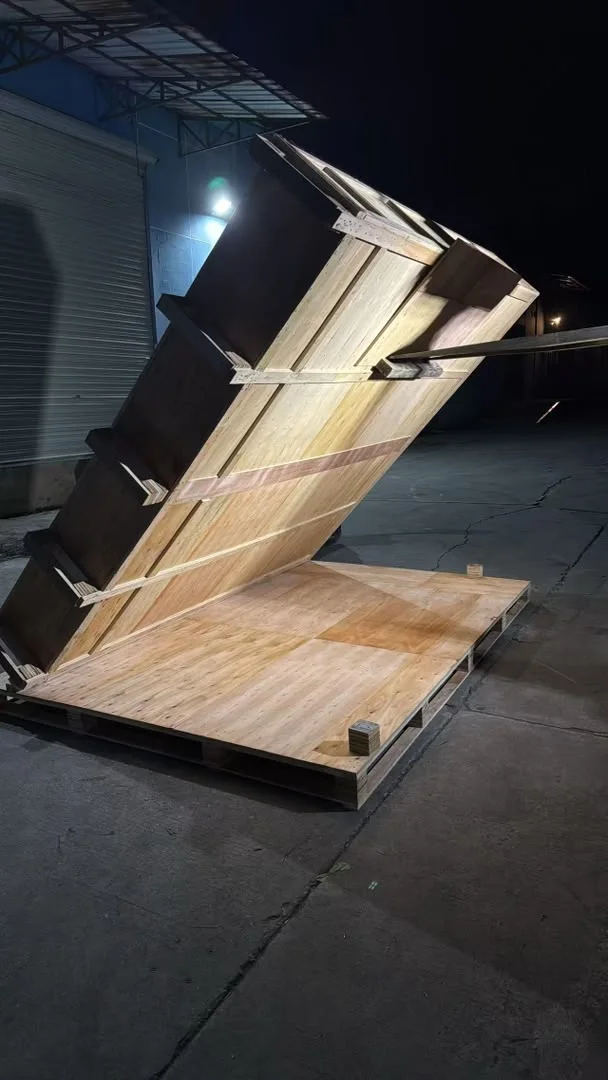
Three packing decisions
Retain, reinforce or rebuild—not one default answer.
The decision starts with what is visible when the shipment reaches the warehouse, then connects the product weak points to the planned loading, route and destination handling.
Decision boundary: a visible packing review is not a product-level inspection. Factory-sealed items normally remain closed unless the customer authorizes selected opening or agrees a separate inspection scope.
Factory packing and export packing answer different questions.
Factory packing may be suitable for the supplier’s own handover and still need a transport review. Export packing is judged against the actual journey: lifting, warehouse movement, loading orientation, container access, transfers, moisture exposure and destination handling.
| Starting point | Factory packing begins with the supplier’s product and handover method. The export review begins with the packed product, route and handling plan. |
|---|---|
| Protection question | Can the visible surfaces, edges, corners, long spans, glazing and hardware stay protected through the agreed handling sequence? |
| Movement question | Can the finished pack be lifted, turned, secured and loaded in the required orientation without relying on an unsupported weak point? |
| Commercial question | What are the final external dimensions and gross weight after any reinforcement or rebuild, and do they change container fit, handling or the written quote? |
Start with the likely damage point.
A door, glass panel, stone top, cabinet and sofa do not need the same pack. The review looks at exposed edges, polished surfaces, hardware, unsupported spans, concentrated weight, moisture exposure, movement inside the pack and whether another item can safely be placed nearby.
The aim is to protect the identified weak point without automatically adding a heavy crate or unnecessary volume to every item.
Risk becomes a packing brief
Protection should answer a specific handling risk.
The written packing decision should identify the item, its weak point, the selected protection and the final packed data—not simply say “wooden packing”.
Scope boundary: these are risk prompts, not a fixed packing specification. The actual method depends on the product, visible condition, final size and weight, route, handling equipment and written customer scope.
Packing changes the transport plan and the quote.
After reinforcement or rebuilding, the cargo must be measured and weighed again. The final packed data—not the bare product or preliminary supplier estimate—becomes the basis for the next operating decision.
| External dimensions | Change shipment CBM, container fit, door clearance, loading sequence and how much working room remains for securing. |
|---|---|
| Gross weight | Changes lifting requirements, warehouse handling, vehicle selection and weight-based charging where it applies. |
| Pack shape and orientation | Determine whether the piece can be turned, lifted, supported and secured in the planned position. |
| Final quote | If the confirmed packed data changes the commercial basis, the changed amount is confirmed in a revised written quotation before the shipment proceeds. |
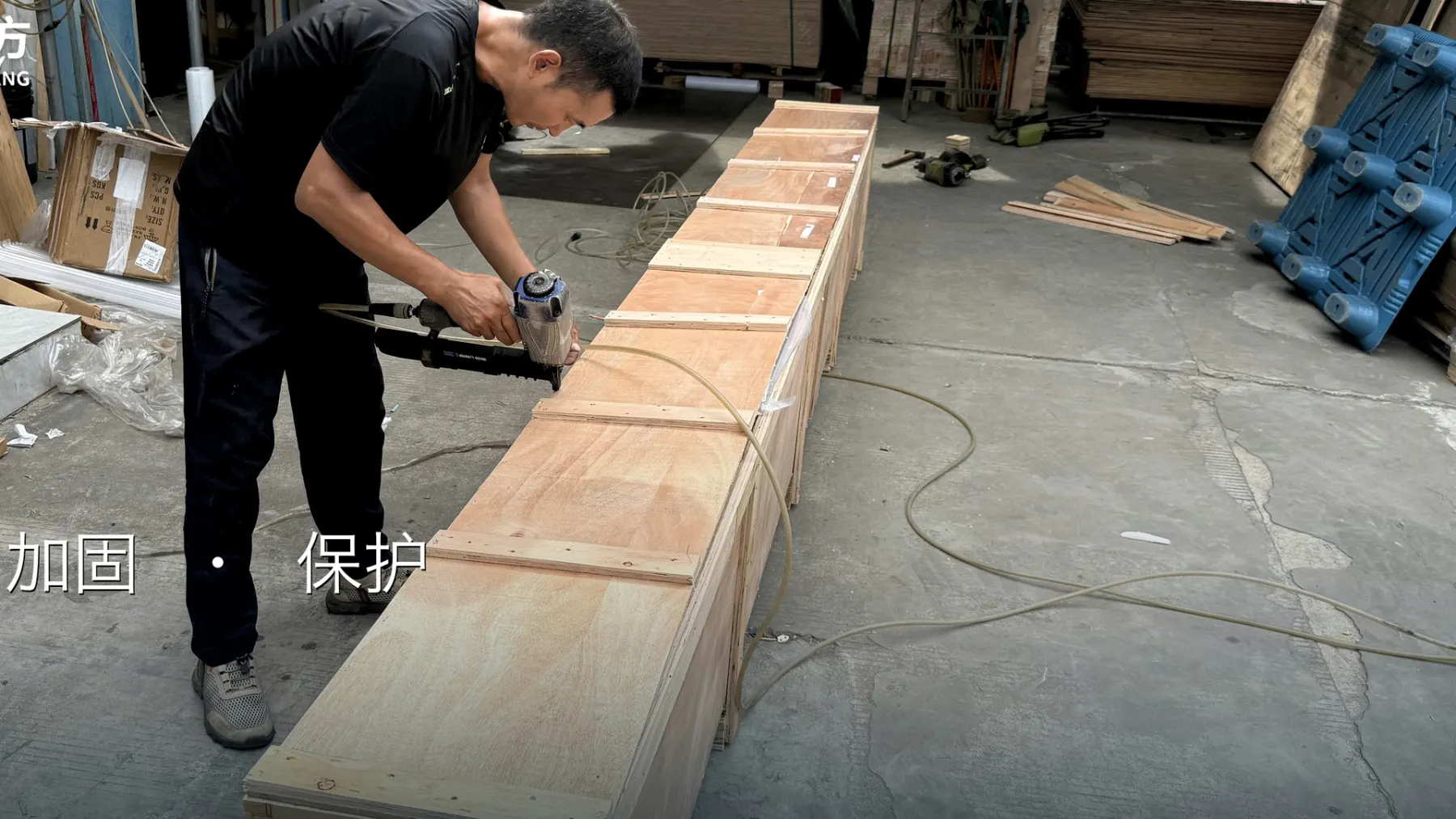
A packing review is not product acceptance.
Basic receiving records package count, labels, visible outer condition, obvious differences, final packed dimensions and gross weight. It does not automatically open every factory-sealed item.
Opening selected packages requires customer authorization. Comparing products with an order, drawing, approved sample or checklist is a separate product-specific inspection scope. See the warehouse receiving and inspection boundaries before deciding what evidence is required.
Packing can reduce identified risk. It cannot guarantee zero damage.
A stronger base, controlled movement, protected edges or a rebuilt support may reduce a known handling risk. No packing method can remove every possible event during international transport, customs handling or final delivery.
The written shipment record should therefore separate the packing decision, pre-shipment condition, agreed evidence, responsibility limits and any independently issued cargo-insurance policy. Do not assume cargo is insured without an issued policy. Review the separate insurance, damage and claims boundaries before shipment.
What to confirm in the packing quote.
Confirm which items stay in the factory pack, which will be reinforced and which will be rebuilt. Record the materials, open or closed structure, lifting base, protection points, approval method and whether photos are part of the agreed evidence.
The quote should also state whether the dimensions and weight are preliminary or final, how changed packed data will be handled and how packing IDs connect to the final packing list.
Frequently asked questions
Is export packing included in every freight price?
No. Buildcargo Logistics reviews the existing factory pack and quotes optional paid packing according to the cargo and agreed scope.
Does every building-material or furniture item need a wooden crate?
No. Suitable factory packing can be retained, and some items need only targeted reinforcement. A new frame or crate is selected only when the actual product and transport plan justify it.
What does fumigation-free wood mean?
Buildcargo Logistics can use export-suitable engineered or compliant wood materials where the shipment requires them. The exact material and destination requirements are confirmed for the cargo.
Will packing increase the freight cost?
It can increase dimensions and weight, but it may reduce identified handling and damage risks. The final route and quote should be calculated from the packed data, not the unpacked product.
Does Buildcargo open every factory package during a packing review?
No. Basic receiving and packing review cover visible and countable facts. Opening selected packages requires customer authorization, and product-level inspection requires a separately agreed written scope.
Does stronger export packing guarantee zero damage?
No. Packing can reduce identified handling, movement, moisture, edge and impact risks, but it cannot eliminate every transport event or guarantee a damage-free result.