

Cargo reviewed under this service
Typical enquiries include doors, windows, cabinets, panels, sanitary ware, lighting, hardware, furniture components and other ordinary building or fit-out products. Acceptance depends on the material, product legality, final packing and route.
Products that are dangerous, prohibited, infringing or outside the selected route's handling limits are not accepted. Batteries, liquids, powders, chemicals, pressurized products and regulated materials need to be identified before any quote.
Product-aware planning
The product decides what the logistics plan must protect.
A mixed home order should not be treated as one generic volume. The visible checks and packing response change with the material, weak points and handling method.
Scope boundary: this risk guide helps plan receiving and packing. Basic receiving does not automatically open every factory package, authenticate materials, certify compliance or test structural, electrical or functional performance. A product-specific inspection must be agreed separately against a written reference.
What these decisions look like in real projects
Glass orientation and support · Completed Spain shipment
In the Spain shipment, a nearly one-tonne glass crate needed controlled orientation, added corner support and a planned position inside the container. Buildcargo controlled the loading and securing; the customer later confirmed that all the glass arrived without damage. Read the handling decision and the completed Spain record.
Factory packing and loading clearance · Completed U.S. project
In the now-completed U.S. door-and-window project, the factory packing left a 2.61 m loading height that could not enter in the planned orientation. The team rebuilt the support and changed the orientation during after-hours work. Read the packing correction and completed project record. The customer confirmed receipt on September 18, 2026; the original packing record and the later delivery evidence remain separately identified.
Keeping mixed orders identifiable · Completed Canada shipment
The Canadian home project reached the warehouse in about 15–16 arrivals. Each batch stayed connected to its project record while the cargo was reorganised around fragility, surface, shape and final packed dimensions. The final packing list records 607 individual items, not transport packages. Read the receiving and packing account and completed Canada record.
A villa's product mix · Documented inventory from Italy
The Italian villa inventory covers 121 declaration lines, 94 product descriptions and 322 product units across seven published cargo groups. It shows the range of architectural components, furniture and household goods in one project—not a record of packing work on every product. See the complete category inventory.
Why mixed building orders need one packing plan
A mixed order can combine long frames, glass, panels, hardware and heavy pieces. If every supplier packs independently, labels, lifting points and loading order can conflict. Consolidation gives the warehouse a chance to check dimensions, piece count and visible packing before loading.
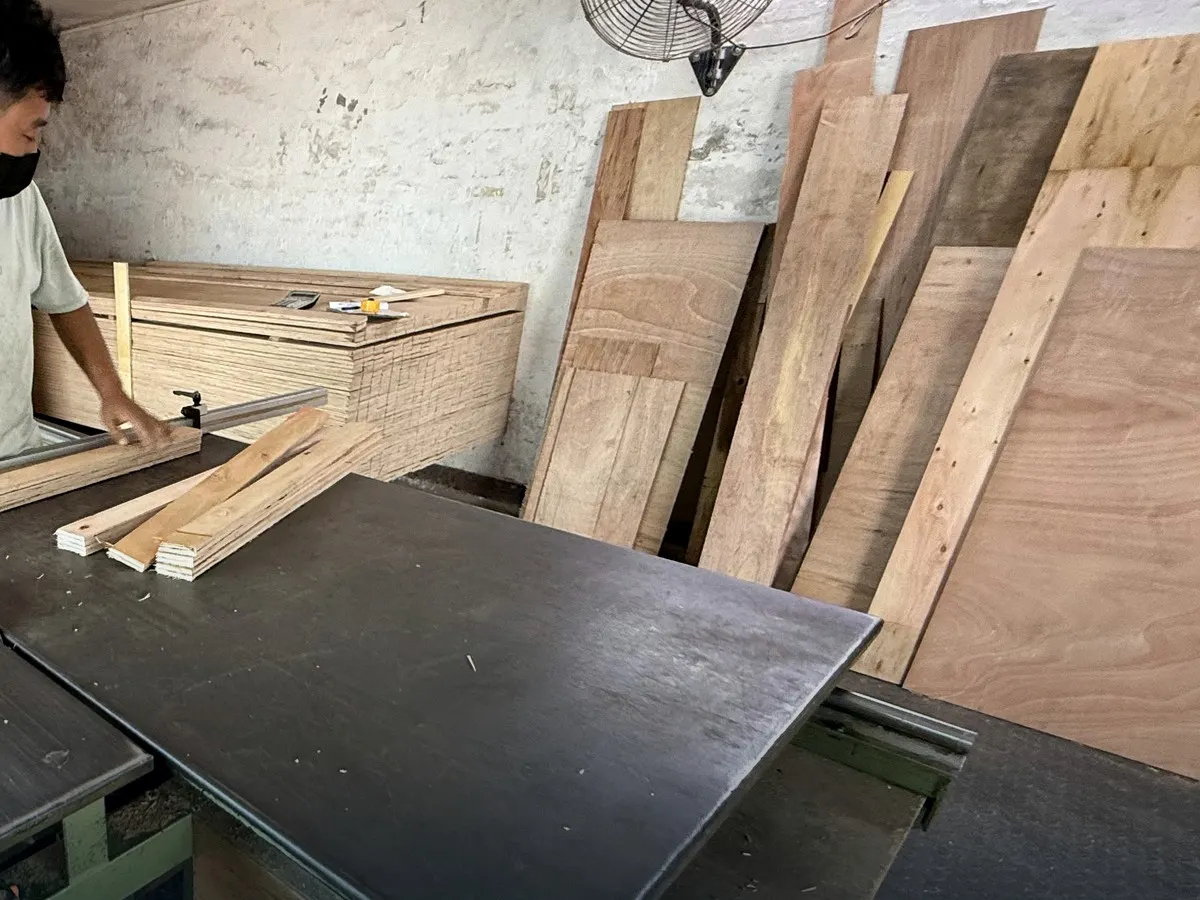
Where needed, Buildcargo Logistics can quote paid wooden frames or crates, internal bracing, moisture protection, edge protection and pallet bases. Packing changes both damage risk and chargeable volume, so it must be decided before the final route price. The operations packing guide explains when the factory pack can be retained, when targeted reinforcement is enough and when the structure may need to be rebuilt.
What must be confirmed at the destination
The final address affects vehicle size, access, appointment requirements and unloading. A customer-designated factory, warehouse, yard or residence can be used when the delivery vehicle can safely and legally reach the point.
The customer normally arranges the forklift, crane, pallet jack, labor or other equipment needed to remove cargo from the vehicle. Inside carrying, upper-floor movement and installation are outside the standard transport scope unless separately confirmed.
For the route-specific import and delivery scope, see the United States, Canada or Europe shipping plan.
Use the focused destination guidance for Germany, France, Spain, Italy or the United Kingdom. The completed Spain doors-and-windows case shows one real building-material route and handover; it is not proof for every European destination.
One photo is enough to start
For the first check, send one product photo, product link or order screenshot and tell us the destination country. Buildcargo can first confirm whether the cargo is likely to fit the service.
Only after that first fit check will we ask for the details needed for a written plan and quote, such as quantities, packed sizes, weights, supplier addresses, ready dates, postcode and unloading conditions.
Frequently asked questions
Can Buildcargo Logistics consolidate building materials from several factories?
Yes. Consolidation can be planned after the supplier addresses, ready dates, quantities and warehouse receiving requirements are known.
Can glass or fragile building products be shipped?
They can be reviewed, but acceptance and route choice depend on the exact product, packing, dimensions, declared value and handling plan. Photos and material details are required.
Does Buildcargo Logistics install building materials after delivery?
Installation is not included in the standard logistics scope. If requested, Buildcargo can discuss case-by-case remote construction or installation guidance. This does not include destination-site labor, local professional approval or a replacement for the supplier's product instructions.
What is the minimum shipment?
The current starting point is 30 kg total shipment weight, not per piece, subject to cargo acceptance and route availability.